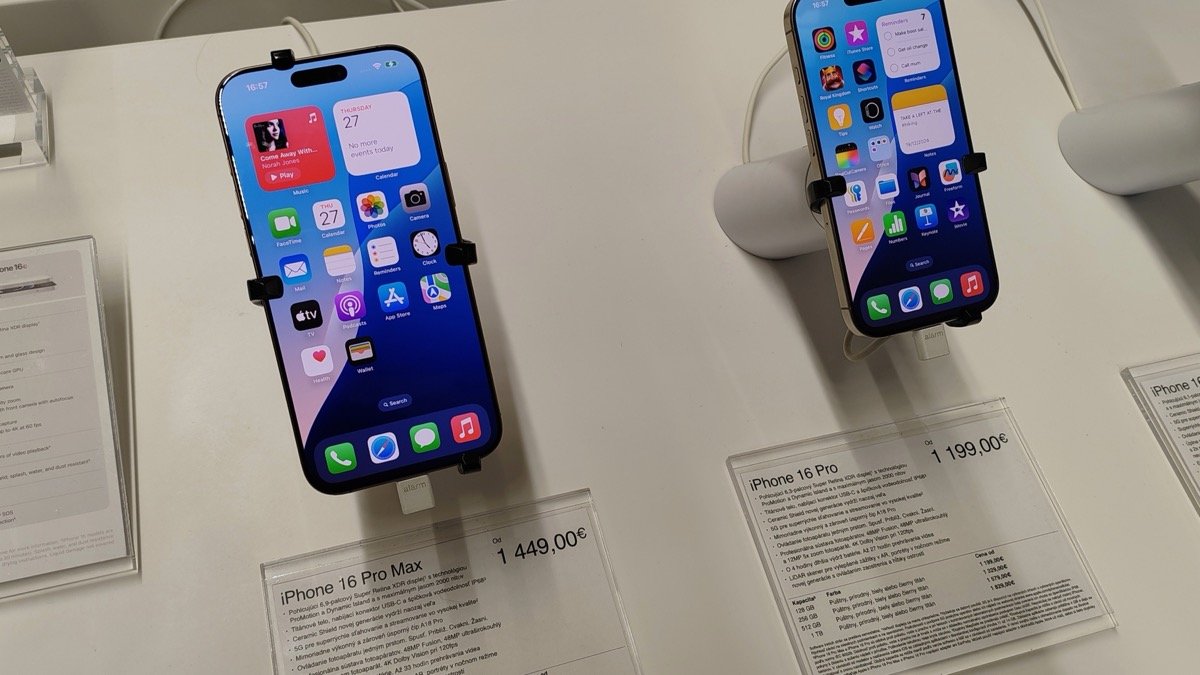
Apple opens claims in its $250M Siri settlement at $25 a phone
Apple started accepting claims on September 21 in a $250 million class action settlement over its delayed Siri AI upgrade. US residents who bought an eligible iPhone between June 10, 2024 and March 29, 2025 can file until December 21, 2026, as The Verge reported. MacRumors reported the settlement site had gone live the evening before.
Each valid claim is estimated at $25 per device, but that number isn’t fixed. It rises toward a $95 cap if fewer people file than expected, and it falls if more do. Engadget notes the $250 million has to absorb legal fees, taxes and administration before any of it reaches buyers.
But the rules on who qualifies are specific. Engadget reports that claimants must have bought the phone in the US, for personal or business use, and must be the original purchaser. Buyers in the UK, Canada, France and everywhere else aren’t covered.
| Item | Detail |
|---|---|
| Eligible models | iPhone 15 Pro, 15 Pro Max, 16, 16e, 16 Plus, 16 Pro, 16 Pro Max |
| Purchase window | June 10, 2024 to March 29, 2025 |
| Conditions | Bought in the US, not for resale, by the original purchaser |
| Estimated payment | $25 per device |
| Maximum payment | $95 per device |
| Claims window | September 21 to December 21, 2026 |
The case behind the payout began as a false advertising complaint filed in the Northern District of California on March 19, 2025. Clarkson Law Firm brought it for a named plaintiff, Peter Landsheft, and pleaded California’s unfair competition, false advertising and consumer remedies statutes alongside fraud and breach of contract. Its argument is that Apple’s marketing built an expectation the shipping hardware couldn’t meet.
Apple’s advertisements saturated the internet, television, and other airwaves to cultivate a clear and reasonable consumer expectation that these transformative features would be available upon the iPhone’s release.
Landsheft v. Apple Inc., class action complaint, N.D. Cal.
That framing matters because the settlement class ended up wider than the complaint was. The filing names only the iPhone 16, 16e, 16 Plus, 16 Pro and 16 Pro Max as the products at issue. The claims site adds the iPhone 15 Pro and 15 Pro Max, so two models that never appeared in the original pleading are now covered.
Apple denies the allegations and agreed to settle anyway. In a statement from May carried by Wired, the company said it “resolved this matter to stay focused on doing what we do best, delivering the most innovative products and services to our users.” Wired reports the claim form still asks you to sign a line reading “I expected to receive a Siri Apple Intelligence feature and did not receive it.”
The form itself asks for very little, though it asks for it more than once. The Verge reports you need a name, contact details and the iPhone serial number. Wired reports the final page accepts an Apple Account ID instead, and that payouts run through PayPal, Venmo, bank transfer or a paper check. Anyone with several eligible phones has to fill the form in again for each one.
The feature at the centre of the case does exist now. MacRumors reports Siri AI arrived with iOS 27, released on September 14, and runs on iPhone 15 Pro models and newer, though Apple still labels it a beta. So the settlement compensates the wait rather than the result. Apple isn’t the only platform closing out a consumer case this year, after TikTok’s settlement with the DOJ and Meta’s deal with the states.
What’s still open is the number on the cheque. It’s arithmetic on a fixed pot, so every extra valid claim pushes the per-device payment down from the $95 ceiling, and a heavy response can take it below $25. Nobody gets paid until the court grants final approval, which is the date worth watching rather than the December deadline.
Get the daily rundown
One email each weekday with the AI news that matters, every claim linked to its primary source.
Free, one email each weekday, unsubscribe in one click. We never sell or share your address.