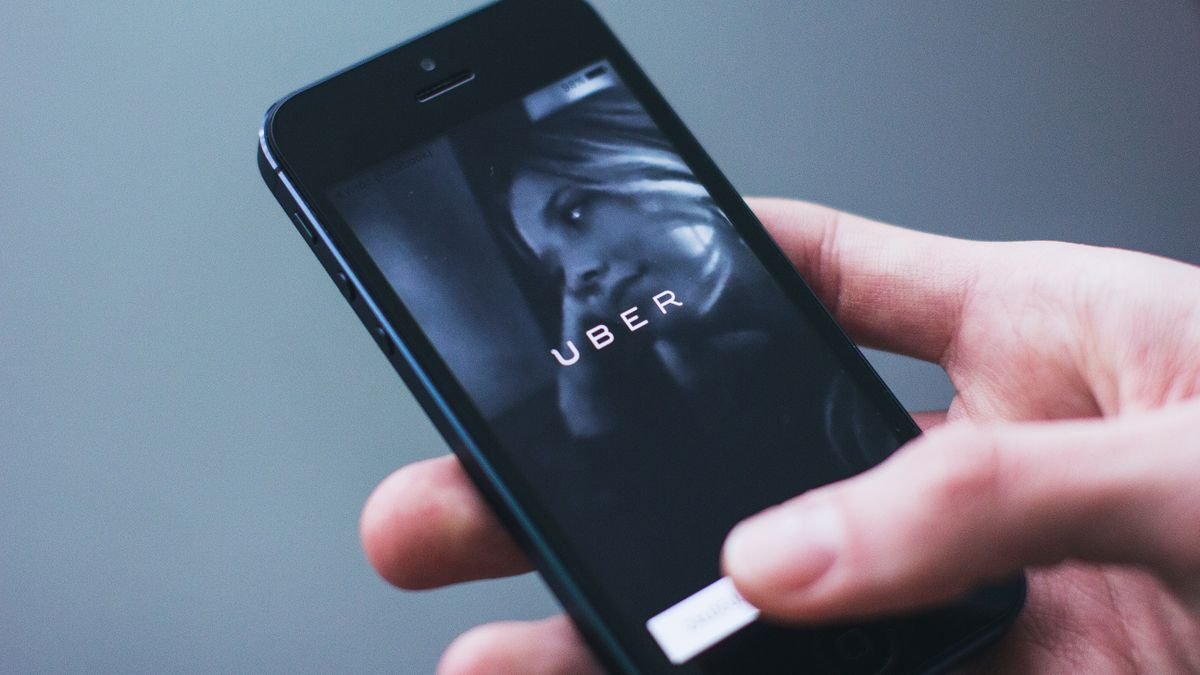
Dutch regulator fines Uber €825M for automated driver deactivations
Uber owes the Dutch privacy regulator 824.99 million euros, around $966 million, for letting software deactivate drivers’ accounts with no human involved. The Autoriteit Persoonsgegevens (AP) announced the fine on August 21 and ruled that Uber violated the GDPR’s prohibition on fully automated decision-making. Uber has already filed an appeal.
Between 2018 and 2022, Uber’s software tracked driving behaviour and customer reviews. When it suspected fraud or saw ratings that were too low, it temporarily deactivated the driver’s account on its own, and persistent low ratings meant permanent deactivation. The regulator also found that Uber didn’t sufficiently inform drivers a machine was making these calls, though it notes the company has since stopped the violations.
Drivers were deactivated without pardon. From one moment to the next, they no longer had any income through Uber. That’s forbidden. A computer should not make decisions on its own that have major consequences for you.
Monique Verdier, deputy chair, Autoriteit Persoonsgegevens
The number isn’t arbitrary. European regulators cap GDPR fines at 4 percent of a company’s worldwide annual turnover, and the AP notes Uber’s global turnover was roughly 44.5 billion euros in 2025. Only Meta’s 1.2 billion euro Irish fine from 2023 is larger, which makes this the second-largest GDPR penalty on record, as TechCrunch reported, citing Reuters. It’s also the fourth time the Dutch authority has fined Uber.
| Year | Fine | In dollars |
|---|---|---|
| 2018 | €600,000 | $701,000 |
| 2023 | €10 million | $11.6 million |
| 2024 | €290 million | $339 million |
| 2026 | €824.99 million | $966 million |
The case began with 171 French drivers who reported the deactivations to the Ligue des droits de l’Homme, a French human rights organization that complained to France’s privacy regulator on their behalf. Because Uber’s European headquarters are in the Netherlands, the GDPR’s one-stop shop mechanism handed the investigation to the Dutch authority. One of those drivers, Brahim Ben Ali, lost his account in 2019 and went on to collect testimonies from 170 others, per TechCrunch.
The drivers had help from PersonalData.io, a Swiss digital rights nonprofit that helped them gather data on the way deactivation decisions were made. Its founder, Paul-Olivier Dehaye, told TechCrunch these fines originate with complaints from the same group of drivers. He’s now starting a company called StartClaims to support a class action through which drivers can seek compensation, with other gig economy cases to follow.
Uber disputes the regulator’s account and calls the fine disproportionate. The company told Engadget that the AP examined “historic policies that were discontinued years ago” and pointed to human reviews, safeguards, and a driver appeals process. It also argues that no permanent deactivation happens without human review, which the AP contradicts: the regulator says some drivers were permanently cut off with no person involved.
Not everyone reads the ruling as a clean win. John Gruber, whose complaint about Claude’s text watermark we covered this week, argues that blaming “a computer” misses who set the policies, the way a time clock gets blamed when a habitually late employee is fired. In his view, monitoring for scam drivers who strand riders is something Uber does better than taxis, and the ruling ignores the customers those scams hurt.
The fine isn’t final while the appeal runs, and Uber is still contesting the 2023 and 2024 penalties, so these procedures can drag on for years. The bigger question is what the decision means for algorithmic management across the gig economy, territory the EU AI Act approaches from a different direction. And if Dehaye’s class action gets moving, 825 million euros could end up being the smaller number.
Get the daily rundown
One email each weekday with the AI news that matters, every claim linked to its primary source.
Free, one email each weekday, unsubscribe in one click. We never sell or share your address.